
You know the feeling. The first warm week rolls into Lakeville, with temps staying above chilly through the night. The snow is gone, and the grass is starting to look a bit shaggy. Time for the first mow of the season.
Then you walk past the garage and the yard waste bin and think… “Goodness gracious, what is that smell?!?!”
That something is your trash, recycling, and very likely yard waste bins. They just woke up from winter, and have already ripened.
Why a Garden Hose Is Not Going to Cut It
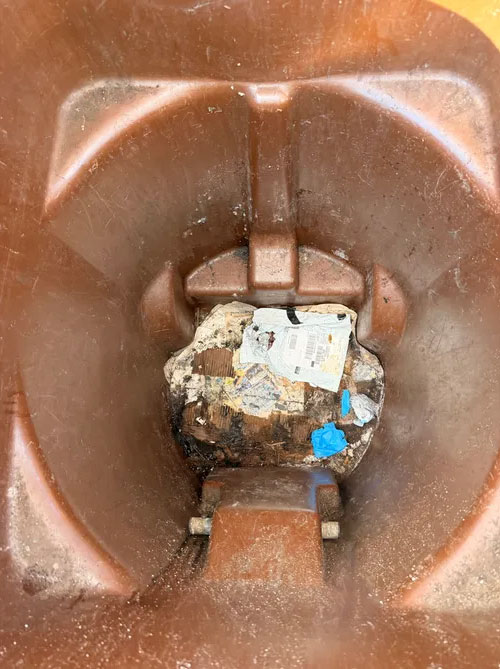
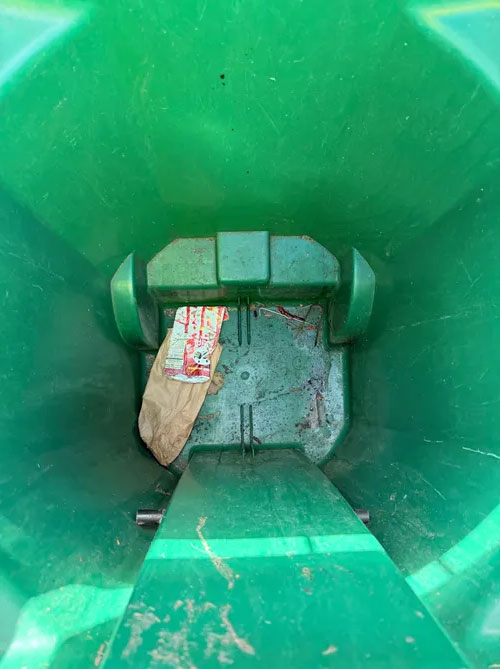
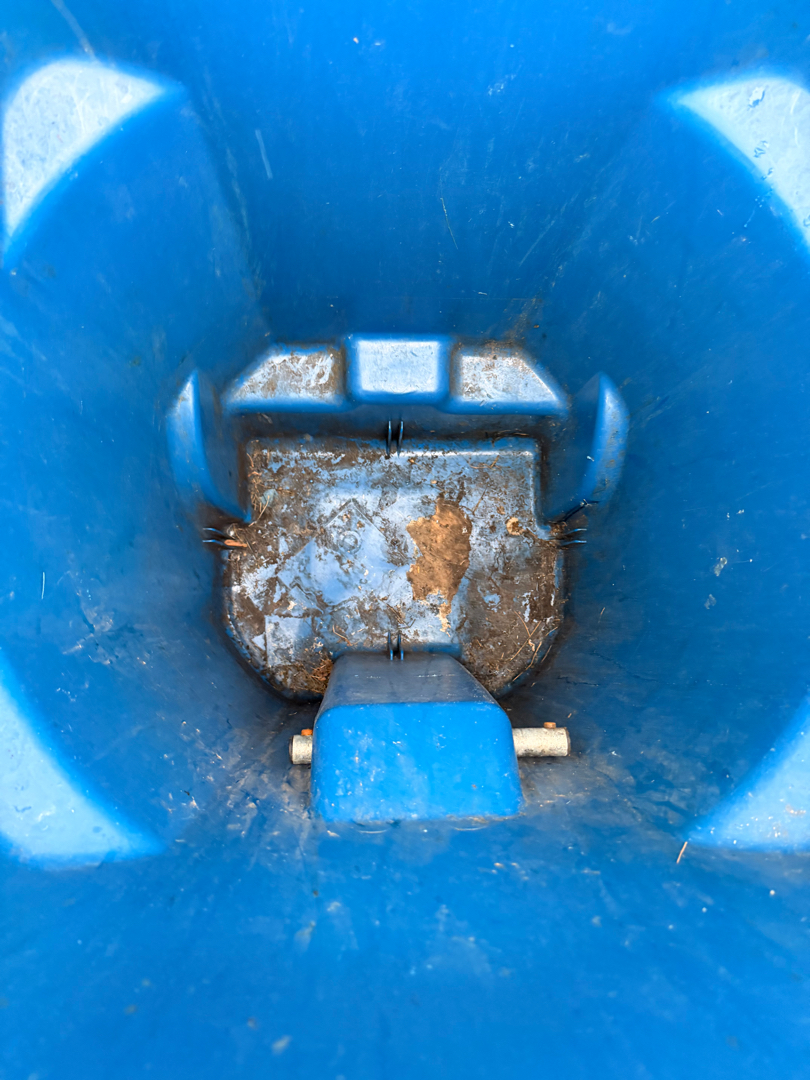
Plenty of folks try to fight this themselves. Hose. Dish soap. A brush they immediately regret using. We get it. The founder of MetroWash spent 25 years cleaning bins by hand before deciding there had to be a better way.
Here is the honest truth.
Cold tap water does not kill bacteria. Household soap is not a sanitizer. And all that nasty rinse water? It runs down your driveway and straight into the storm drain. From there it heads to local waterways with zero treatment.
A lot of effort. A bin that smells the same an hour later. The flies remain unimpressed.
It Doesn’t Take Long for Bacteria and Mold to Grow and SMELL
All winter, the cold has been doing you a favor. Freezing temps slow everything down. Bacteria. Mold. Decomposition. Spills froze in place. Odors stayed locked up. Bugs were nowhere to be found.
Then spring shows up. Temperatures climb. Humidity creeps in. Everything that was dormant starts coming back to life.
Including the layer of grime sitting at the bottom of your cart.
The smell gets aggressive. Old food residue, leaked liquids, frozen-solid bacteria. It all starts breaking down again. By the first warm week, that bin produces a smell strong enough to follow you inside.
The flies show up uninvited. Houseflies and fruit flies can find a dirty bin from across the neighborhood. They lay eggs. A week later, you have maggots. Yes, maggots. In your driveway. Wonderful.
The critters take the hint. Raccoons run point. Opossums tag along. Add in rats, the neighbor’s dog, and the occasional curious deer. Your bin is now a five-star buffet with the lid off and trash strung from here to the mailbox.
The mold settles in. Warm and damp is exactly what mold wants. Lift the lid. See something fuzzy on the wall. Try not to think about it.
How MetroWash Handles It
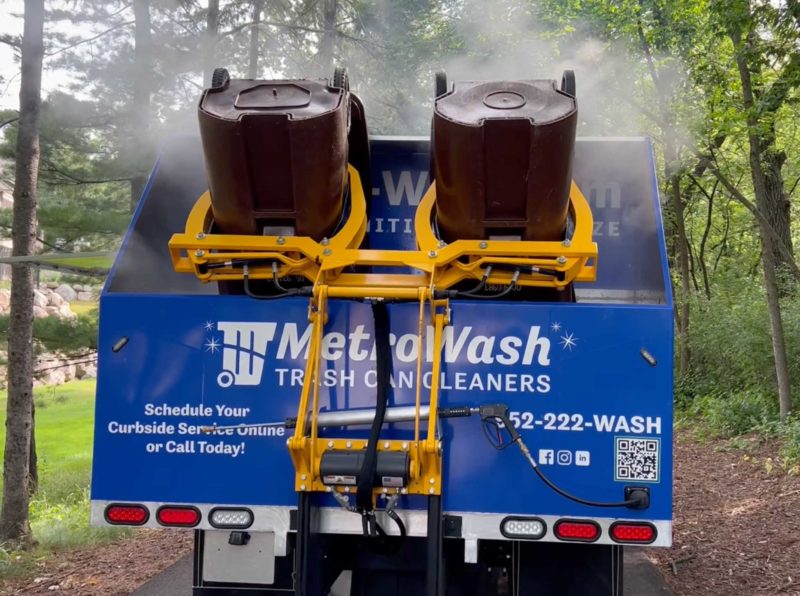
We pull up to your curb in a truck built for exactly this job.
A hydraulic lift grabs your bin. It lifts it into our cleaning chamber. High-pressure jets hit it with water heated to around 200 degrees. That combination is what actually sanitizes a bin. It kills the bacteria. It breaks down the buildup. It eliminates the source of the smell instead of masking it.
All the dirty water stays contained inside our truck. Nothing runs into your driveway. Nothing reaches Lake Marion or the Vermillion River. We haul the wastewater off and dispose of it properly.
The whole process takes a few minutes. You do not need to be home. You do not need to do anything except leave your cans at the curb on your scheduled day. We send a notification when we are on the way.
Get Ahead of the Smell!
Timing matters here. Schedule a cleaning before the smell, the bugs, and the wildlife become a problem. Not after.
Once flies have laid eggs or a raccoon has filed your address under “snack location,” you are playing catch-up the rest of the summer.
We offer a few options for Lakeville households.
One-time spring reset. A clean start to the warm season. Book it in April or May. Decide from there if you want ongoing service.
Monthly recurring service. Our most popular option. Same schedule all summer. You never have to think about it.
Quarterly service. A refresh at every change of season. Spring. Mid-summer. Fall. One last clean before winter.